Problem:
The state didn’t just kill Jasieński — it tried to erase him from the record entirely, leaving behind rumor and silence instead of a documented fact. A conventionally illustrated poetry collection would smooth over that erasure rather than confront it.
Solution:
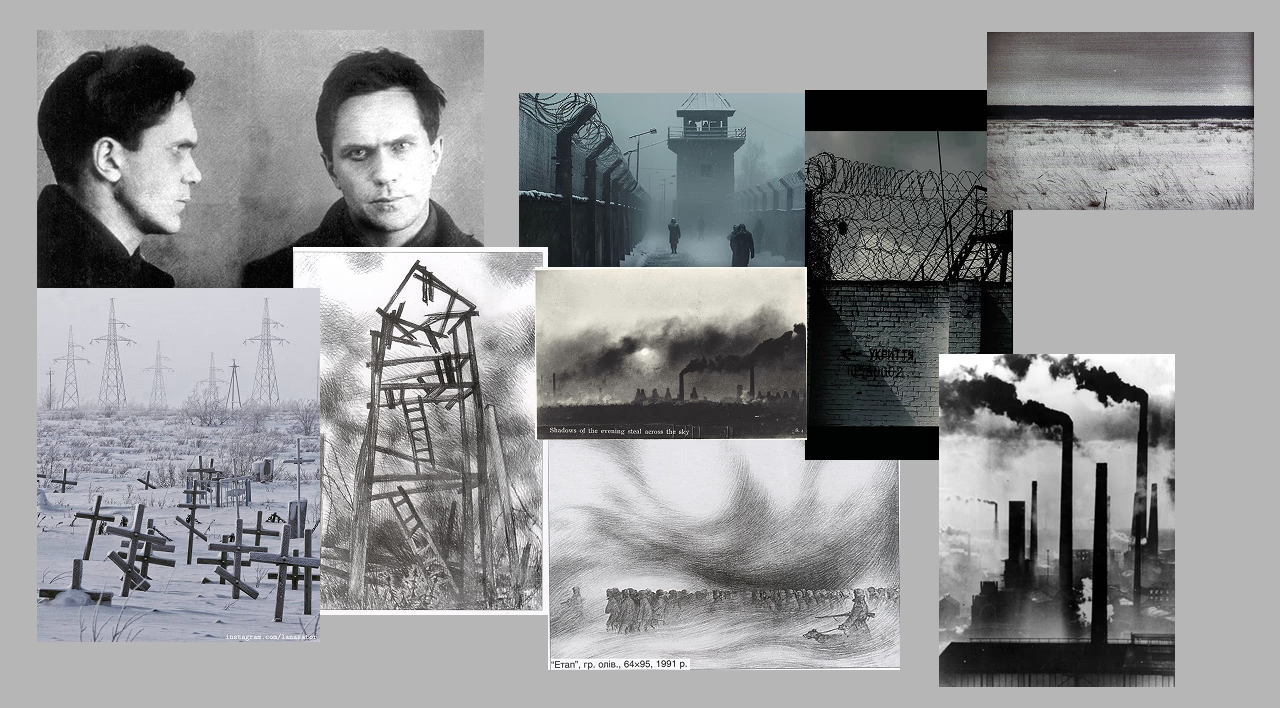
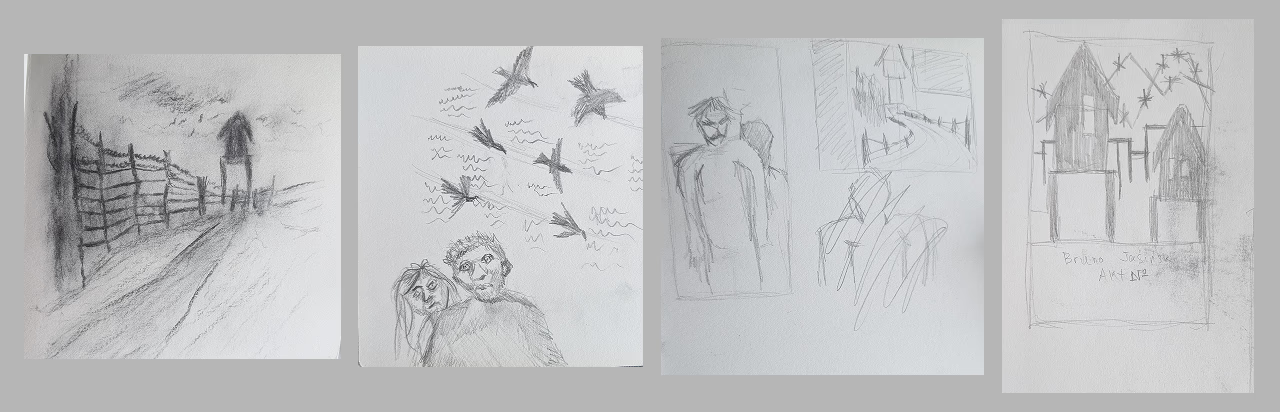
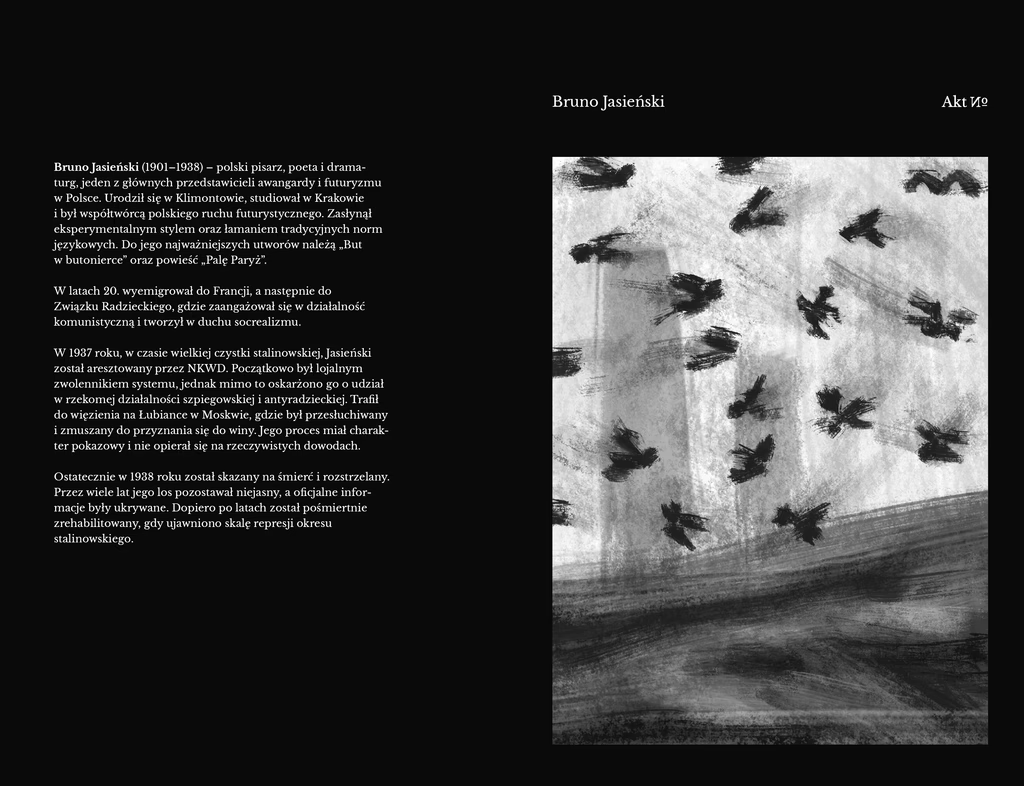
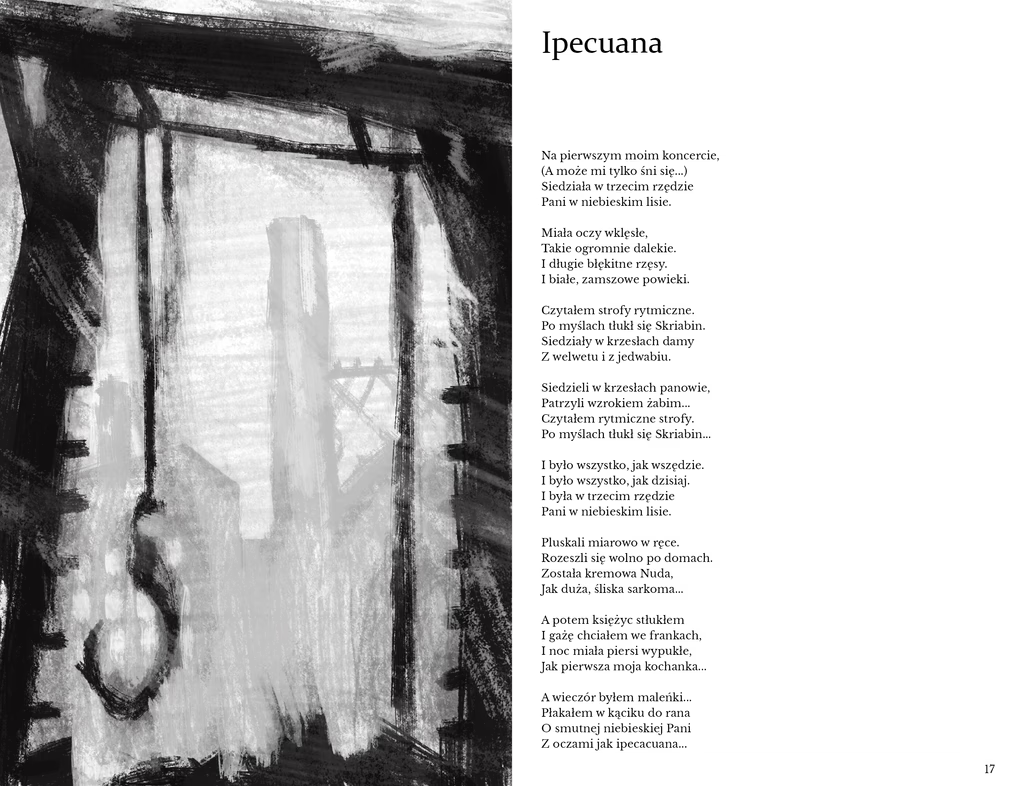
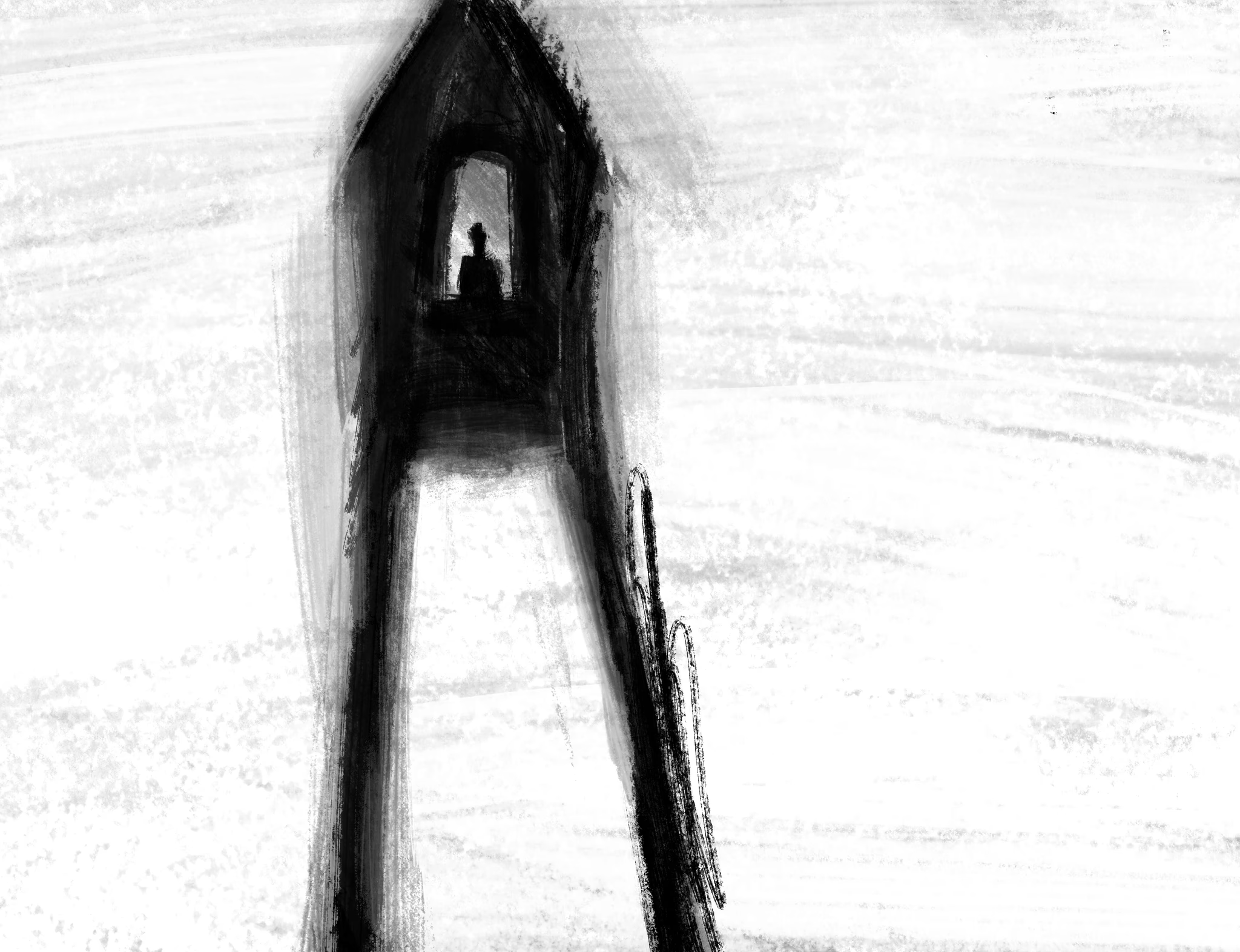
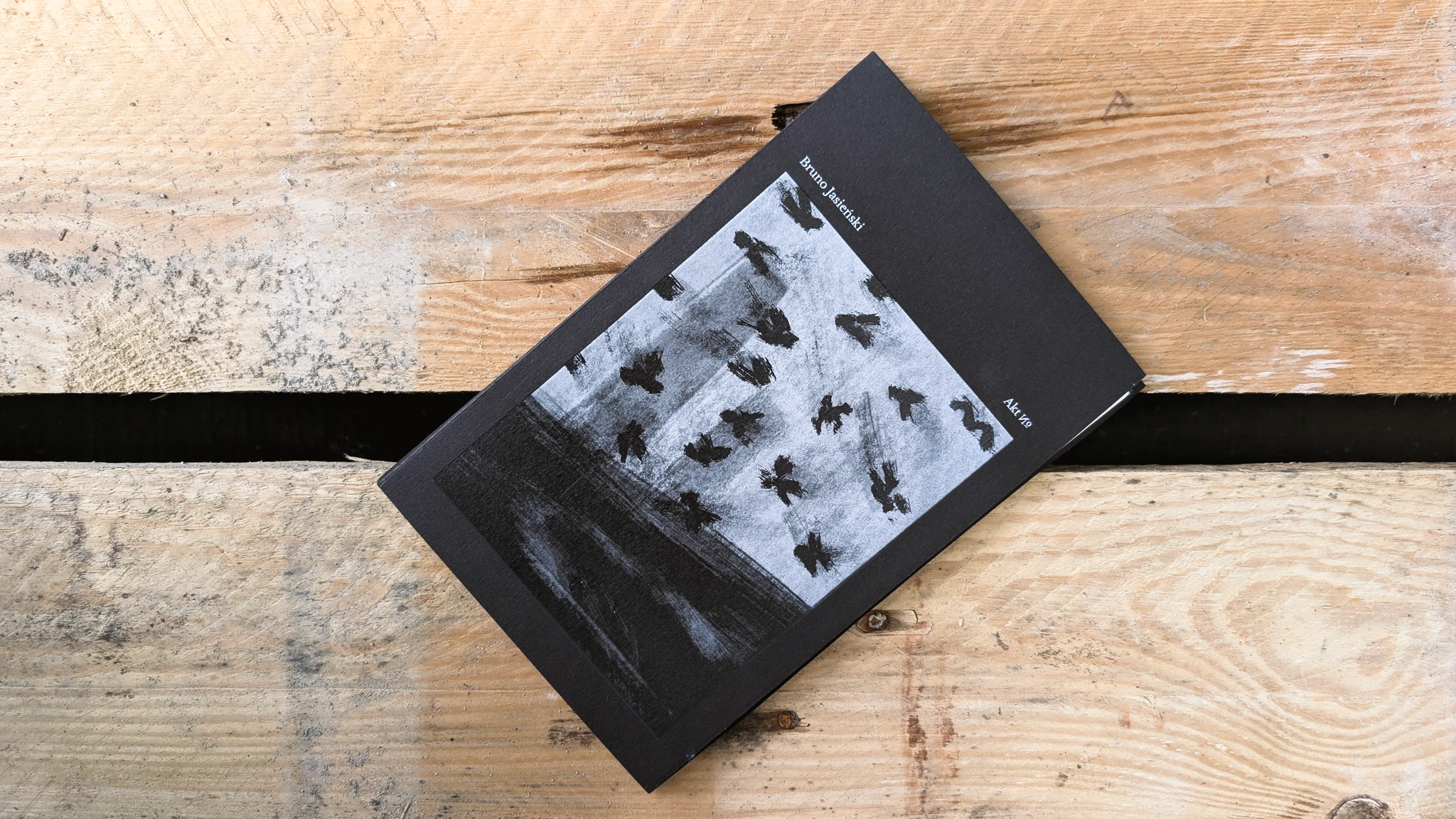
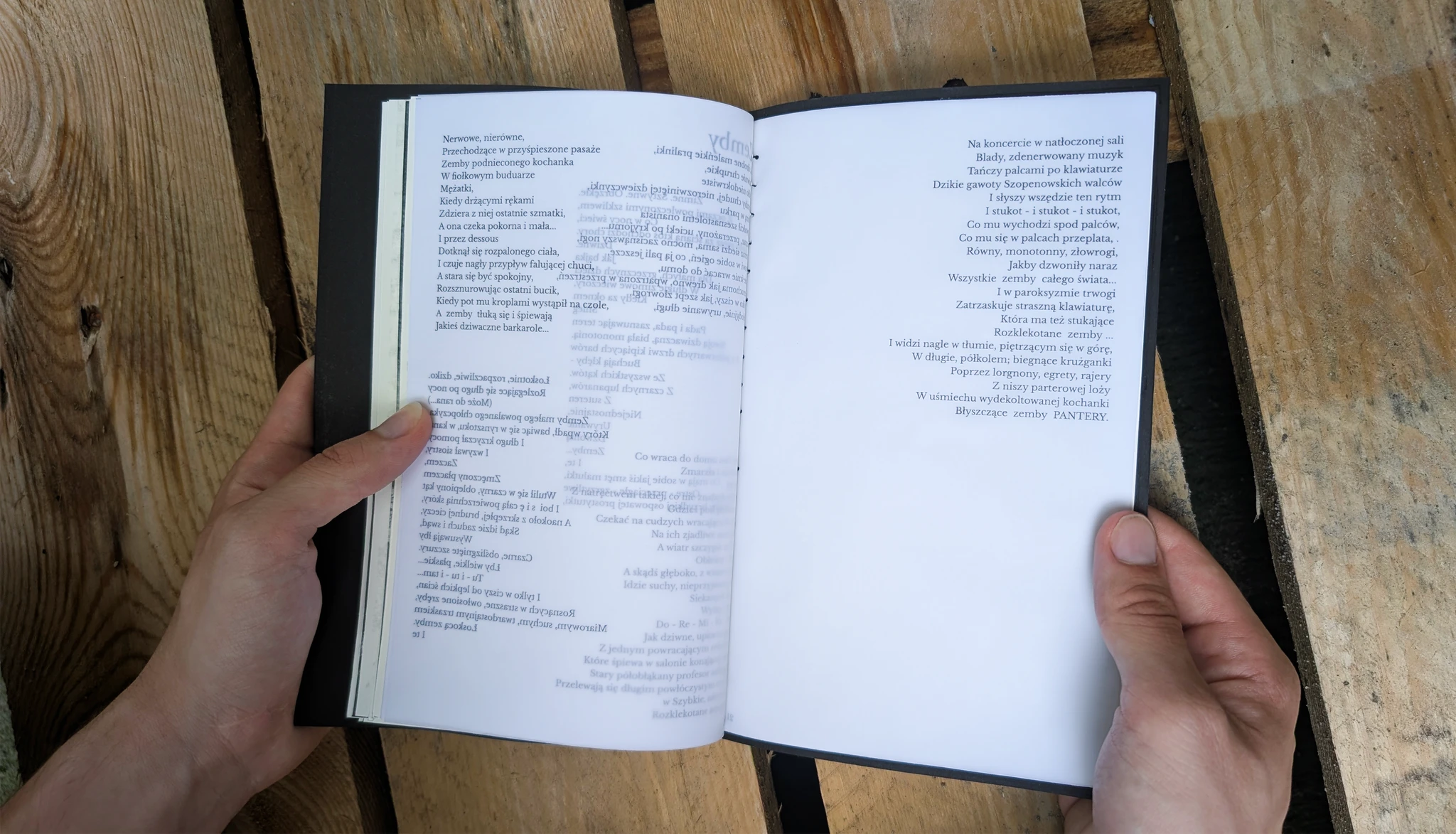
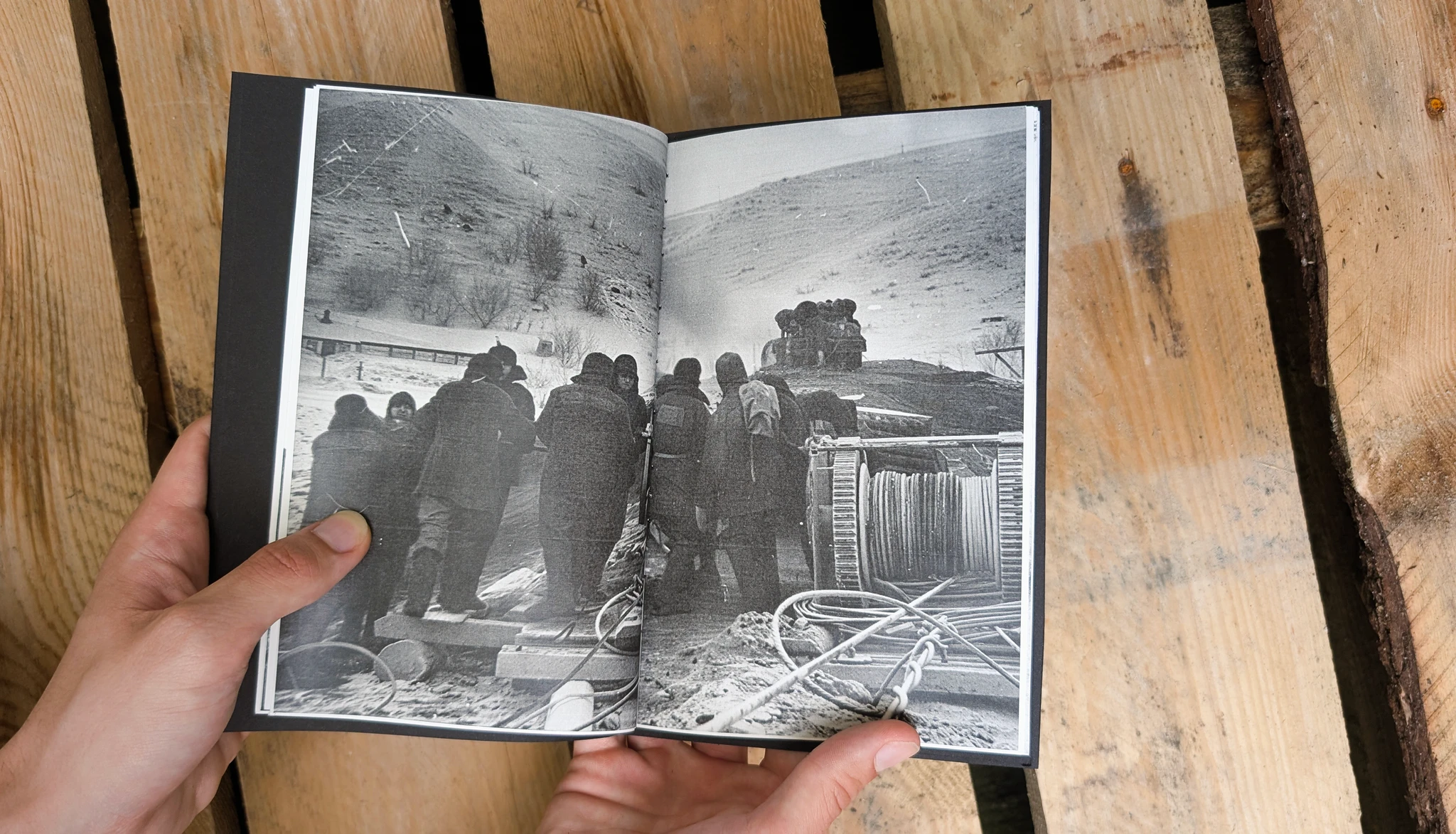
The illustrations are framed as Jasieński’s own — as if these were sketches he made in secret while imprisoned in Siberia, using whatever materials a prisoner could find. Raw charcoal marks stand in for a smuggled visual diary: a flock of crows over a bruised sky, a figure glimpsed through a watchtower archway, bare trees doubling as camp fencing. Some spreads are even printed inverted, as if the record itself had been tampered with after the fact.
Result:
No drawing could recreate what Jasieński actually went through in Siberia — the book doesn’t try to. Instead, it lets you feel something closer to the act itself: sketching in secret, in haste, not knowing if it would survive. You’re not asked to feel his suffering — just to sit for a moment inside the fear of trying to leave a trace before it’s erased.